
Introduction
A glowing yellow light on your SimpliSafe system can feel unsettling, especially when you rely on it to protect your home. You may wonder if your alarm is still working, whether your monitoring is active, or if your system is trying to warn you about something more serious.
The good news: a SimpliSafe yellow light almost never means your home is completely unprotected. Instead, it usually signals a minor issue that needs your attention, such as a network problem, a sensor battery running low, or a system update that did not finish correctly.
This guide explains exactly what the SimpliSafe yellow light means, how to tell whether it is solid or flashing, and what each pattern indicates. You will learn step-by-step troubleshooting methods, advanced fixes if the light will not clear, and simple habits to prevent the issue from coming back. Along the way, you will see how the yellow light fits into your broader smart home setup and why it is worth understanding.
By the end, you will know how to read your SimpliSafe status lights with confidence and keep your smart home security system running smoothly in 2024.
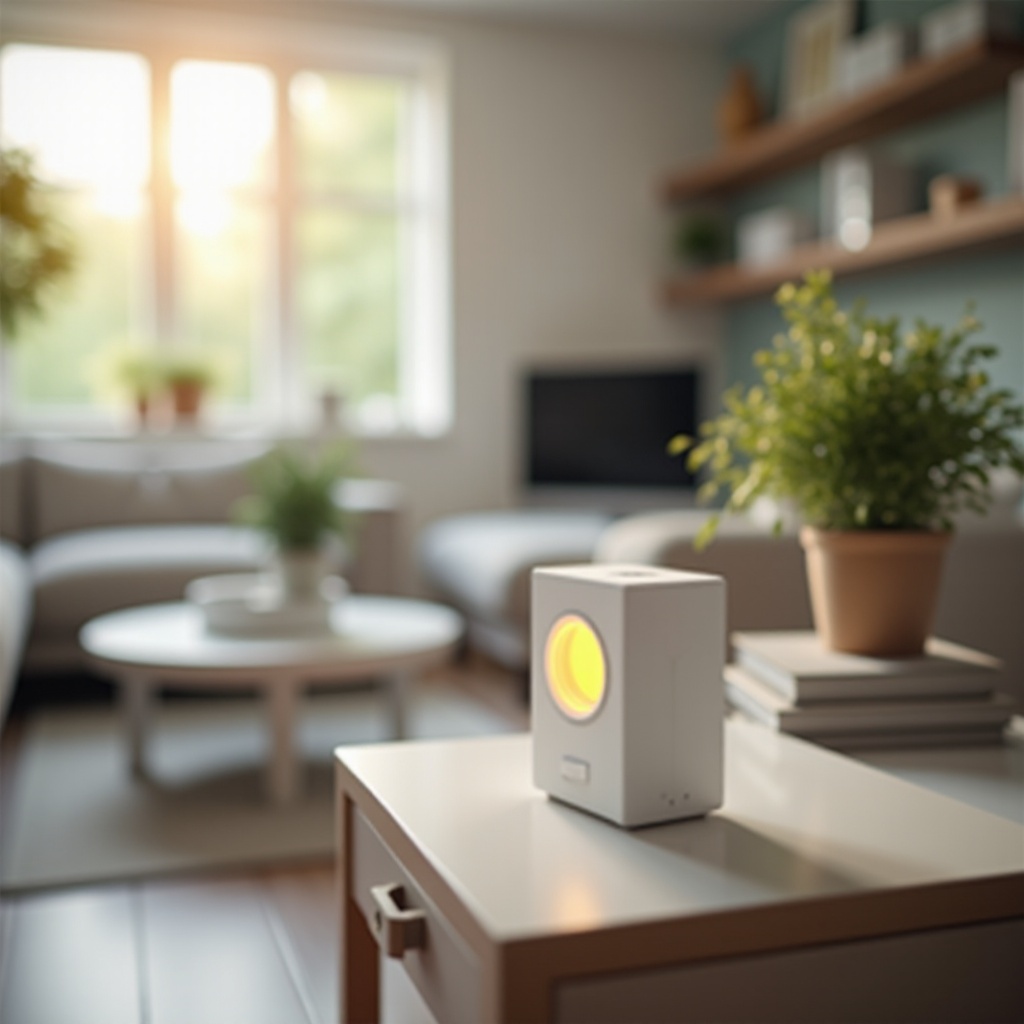
Understanding SimpliSafe Status Lights in 2024
Before you can fix a yellow light, you need to understand how SimpliSafe uses colors and patterns to communicate system status. The Base Station acts as the main indicator in your system, supported by lights on the keypad and individual sensors.
How the SimpliSafe Base Station Uses LED Colors
The Base Station sits at the center of your SimpliSafe setup. Its LED ring or top light shows what the system is doing at a glance:
- Blue usually indicates the armed state or active status.
- Red can signal alarms or urgent events.
- Off often means the system is idle or in a low-profile mode.
- Yellow highlights warnings, minor problems, or system conditions that need attention.
The exact appearance can vary slightly between hardware versions, but the basic idea is the same: different colors give you a quick view of your system health without opening the app.
Key Differences Between Blue, Red, Off, and Yellow
Each color carries a different level of urgency:
- Blue: normal operation when armed, often steady or softly pulsing.
- Red: high urgency, such as an alarm, intrusion, or serious fault.
- Off: no current alerts, typically disarmed or silent monitoring.
- Yellow: intermediate warning that something is not perfect but not a full emergency.
Yellow sits in the middle. It tells you that the system can likely still function, but you should check what is wrong. That balance between reassurance and warning is what makes the SimpliSafe yellow light so important to understand.
Status Light Changes Introduced in Recent Updates
In 2024, SimpliSafe continues to refine its firmware and app features. Light patterns can change slightly after updates. For example, a yellow light may be tied more closely to:
- Network stability and Wi-Fi strength.
- More precise battery warnings.
- Integration with professional monitoring or new app features.
Because of these changes, always check both the Base Station light and your SimpliSafe app. The app often gives a clear text description: sensor offline, Wi-Fi disconnected, or low battery. Understanding these basic status signals prepares you to focus specifically on what the SimpliSafe yellow light is telling you.
What the SimpliSafe Yellow Light Means
Now that you know what the different colors represent, you can look closely at the yellow light itself. The SimpliSafe yellow light can appear in a few different ways. The meaning depends on whether it is solid or flashing, and whether you see it on the Base Station, sensors, or the keypad.
Solid Yellow Light on the Base Station
A solid yellow light on the Base Station usually points to a warning rather than a complete failure. Common possibilities include:
- A sensor with low battery.
- A sensor or device temporarily offline.
- A minor communication issue that does not fully disable the system.
In many cases, the system still arms and monitors, but one part may not work perfectly. You should open the app to see which device or setting triggered the warning so you do not miss a coverage gap.
Blinking or Flashing Yellow Light Patterns
A flashing or blinking yellow light often signals a more active issue, such as:
- Ongoing attempts to connect to Wi-Fi or cellular.
- A system update in progress.
- A device repeatedly dropping in and out of range.
Pay attention to whether the flash is slow and steady or fast and irregular. Slow, steady flashing might mean ongoing connection attempts. Rapid flashing can indicate frequent failures, repeated alerts, or a process that is stuck and needs a reset.
Yellow or Amber Indicators on Sensors and Keypads
You might also see yellow or amber indicators on:
- Entry sensors.
- Motion sensors.
- Keypads or auxiliary devices.
These can indicate:
- Low or almost dead batteries.
- Misalignment for door or window sensors.
- Temporary loss of connection to the Base Station.
Again, the SimpliSafe app is your best friend here. It will usually list which device needs service and why, turning the mystery yellow light into a clear warning you can address. Once you know what the light means, the next step is to understand what actually causes it.
Common Causes of a SimpliSafe Yellow Light
Most SimpliSafe yellow light issues fall into a few predictable categories. Knowing these common causes helps you troubleshoot quickly without guessing and gives you a sense of how serious the problem might be.
Connectivity Problems With Wi-Fi or Cellular Backup
SimpliSafe relies on a stable connection to send alerts and updates. A yellow light can appear when:
- The Base Station loses Wi-Fi completely.
- The Wi-Fi signal is too weak or unstable.
- The system falls back to cellular and struggles to connect.
- Your internet service experiences temporary outages.
In these cases, the system may still record events and sound alarms locally, but you may not receive timely notifications or remote access. If you use professional monitoring, unstable connectivity can also delay or limit the information that reaches the monitoring center.
Low Battery Warnings for Sensors or Keypads
Wireless sensors and keypads run on batteries, and those batteries do not last forever. A yellow light often signals that one or more of these devices needs fresh batteries soon. Signs include:
- Intermittent offline status for a specific sensor.
- Delayed responses when a door opens or motion occurs.
- Specific low battery alerts in the SimpliSafe app.
If you ignore low battery warnings, devices can drop offline and fail to detect openings or motion, weakening your security. The yellow light acts as an early reminder so you can replace batteries before that happens.
System Updates, Firmware Issues, and Sync Errors
During or after a firmware update, your system might:
- Show a yellow light while it installs changes.
- Flash yellow if it fails to complete the update.
- Show warnings if some devices did not sync correctly.
Most updates finish automatically in the background. But if your Base Station loses power or connection during the process, the yellow light can stick until you restart or repeat the update. Firmware issues can also appear if a device did not receive the update properly and no longer communicates reliably.
Sensor Alignment, Range, and Interference Problems
Sensors must stay within range of the Base Station and be physically aligned:
- Door and window sensors need magnets close enough to register open and close states.
- Motion sensors must be within the recommended distance and angle.
- Thick walls, metal appliances, or other wireless devices can interfere with signals.
If a sensor struggles to stay connected, the system may show a yellow warning to tell you something is wrong with that device. Small changes in placement or home layout, such as moving a large metal cabinet, can cause these issues over time.
Power Supply and Recovery After Outages
Power issues can also trigger the SimpliSafe yellow light:
- The Base Station running only on backup battery.
- Unstable power or loose power adapter connections.
- Recent outages where the system is still stabilizing.
If the Base Station cannot operate normally on mains power, you might see warnings until you fix the power source. Once you understand the likely cause, you can move into a structured troubleshooting process to clear the yellow light.
Step-by-Step Troubleshooting for SimpliSafe Yellow Light
When you see a SimpliSafe yellow light, you do not need to panic or guess. Instead, follow a simple, structured process. This approach helps you find the root cause instead of trying random fixes and hoping the light disappears.
Step 1 – Identify Where the Yellow Light Is Coming From
First, confirm the source:
- Look closely at the Base Station. Is the yellow light there?
- Check the keypad and any auxiliary devices.
- Inspect sensors if they have visible indicators.
This quick scan tells you whether the problem is system-wide (Base Station) or limited to one device (sensor or keypad). That distinction shapes the rest of your troubleshooting.
Step 2 – Check the SimpliSafe App for Alerts and Messages
Next, open the SimpliSafe app:
- Look at the home screen for warnings.
- Check the notifications or timeline for recent events.
- Open the device list to see any sensors marked as offline or low battery.
The app usually names the exact sensor or issue. This saves you time and guesswork and ensures that you do not overlook a device that quietly dropped offline.
Step 3 – Test and Restore Wi-Fi or Cellular Connectivity
If the app or Base Station indicates a network issue:
- Confirm your Wi-Fi network is up by testing another device.
- Restart your router and modem if needed.
- Move the Base Station farther from thick walls or metal objects.
- In the app, go to settings and confirm the correct Wi-Fi network and password.
If your system uses cellular backup, check if your area has mobile coverage issues or if you recently moved the Base Station to a spot with weaker signal. Once the connection stabilizes, the yellow light often clears on its own.
Step 4 – Replace or Reseat Batteries in Problem Devices
For low battery or offline sensors:
- Identify the sensor with the warning in the app.
- Gently remove the sensor from its mount, following SimpliSafe instructions.
- Replace the battery with the recommended type.
- Reseat the sensor and ensure proper alignment.
- Check the app again to confirm the sensor is back online.
If a device still shows offline after a fresh battery, it may be out of range or damaged. In that case, consider moving it closer to the Base Station or testing a different mounting spot.
Step 5 – Safely Power-cycle the Base Station
If the yellow light persists without a clear cause:
- Unplug the Base Station from power.
- If it has a removable backup battery, briefly remove and reinsert it.
- Wait about 10–15 seconds.
- Plug the Base Station back in and allow it to start up fully.
A simple power cycle can clear minor software glitches and complete updates that previously stalled. After the reboot, check whether the yellow light returns and whether any new messages appear in the app.
Step 6 – Run a System Test to Clear Minor Faults
Finally, run a full system test:
- Use the keypad or app to enter test mode.
- Follow the prompts to trigger each sensor by opening doors or walking past motion sensors.
- Confirm each device reports correctly in the app or keypad.
This test can refresh connections, update device status, and sometimes clear the yellow light if it was tied to minor, temporary issues. If the light remains after these steps, it is time to move into more advanced troubleshooting.
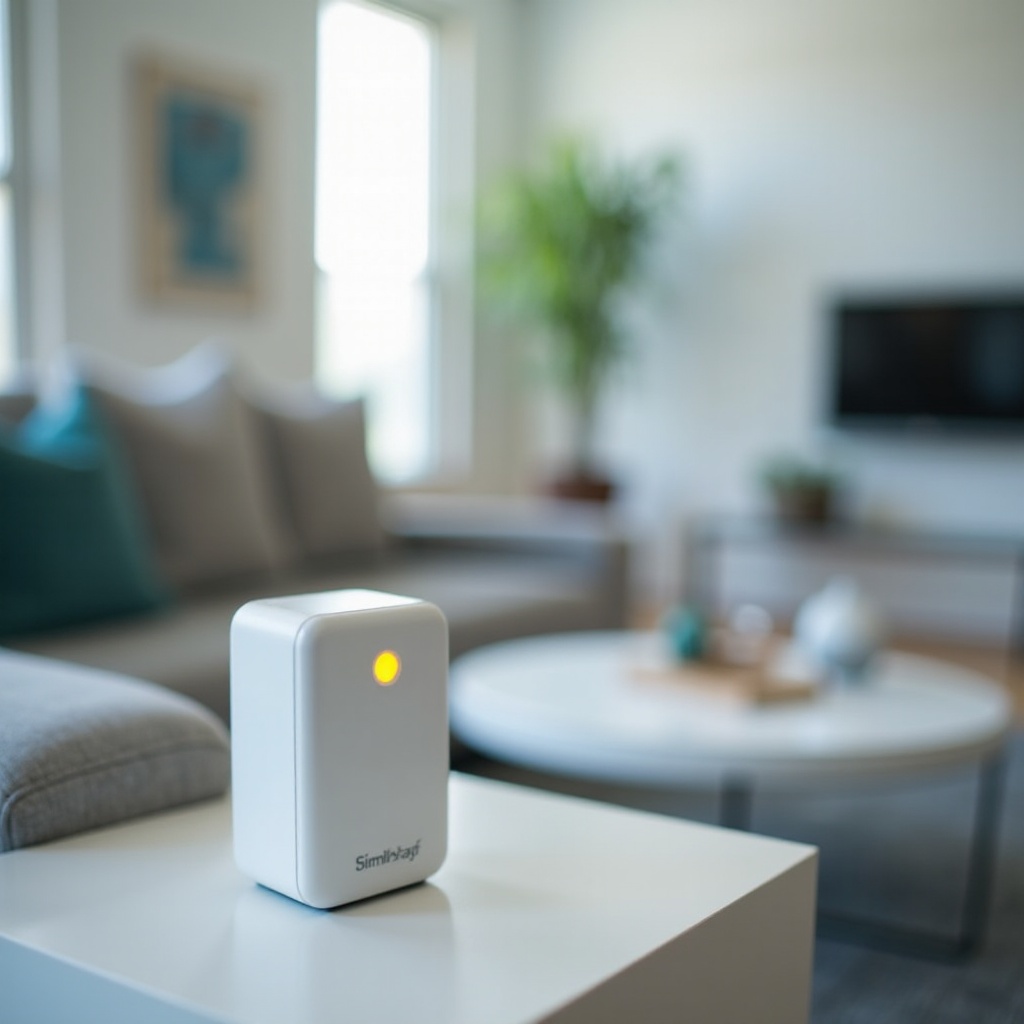
Advanced Fixes When the Yellow Light Will Not Go Away
Some persistent SimpliSafe yellow light problems require deeper action. These advanced fixes help when normal troubleshooting does not solve the issue and you suspect something more complex is happening.
Resetting Network Settings and Re-adding the System
If your Base Station struggles with Wi-Fi settings or seems stuck between networks:
- In the app, forget the current Wi-Fi network.
- Re-enter your network name and password carefully.
- Make sure you connect to the correct band if your router broadcasts multiple networks.
- Confirm the Base Station shows as online after setup.
In some cases, re-adding the Base Station to your account can clear old, corrupted connection data. Only do this if standard Wi-Fi resets do not help, because you may need to walk through some setup steps again.
Removing and Re-adding Individual Sensors
For stubborn sensor problems that keep triggering the SimpliSafe yellow light:
- Use the app to remove the affected sensor from your system.
- Physically reset the sensor if SimpliSafe provides a reset method.
- Add the sensor back through the app as a new device.
- Test it in place to confirm a strong signal and proper alignment.
This process can clear pairing or sync issues that a simple battery change does not fix. It is especially helpful if the sensor worked fine in the past but recently started dropping offline.
When to Perform a Factory Reset on the Base Station
A factory reset should be a last resort. Consider it only if:
- Multiple devices show unexplained issues.
- The yellow light stays on despite stable power, network, and sensors.
- SimpliSafe support suggests a reset after reviewing your setup.
A factory reset usually means:
- You will need to re-add all sensors and devices.
- You might need to rebuild some settings and preferences.
Always review official instructions to avoid losing important data or settings. Because this action is disruptive, many users prefer to speak with support first.
What to Prepare Before Contacting SimpliSafe Support
If you still see the yellow light, contact SimpliSafe support for help. Before you call or chat, prepare:
- Your account details and system model.
- A list of recent changes, such as a new router, new devices, or power outages.
- Screenshots from the app showing warnings or offline devices.
- Notes about the light pattern: solid or flashing, and when it appears.
This information helps support diagnose the issue quickly and give you precise steps. Once you resolve the problem with basic or advanced fixes, the next goal is to keep the yellow light from returning.
Preventing Future SimpliSafe Yellow Light Issues
Prevention saves time and keeps your security reliable. A few simple habits can greatly reduce the chances of seeing the SimpliSafe yellow light again and improve the overall performance of your smart home devices.
Ideal Placement for the Base Station in a Smart Home
Place the Base Station where it can:
- Reach your router with a stable Wi-Fi signal.
- Reach sensors throughout your home without heavy interference.
- Stay away from thick concrete, heavy metal objects, and large appliances.
A central, elevated location often works best. Avoid hiding the Base Station deep inside cabinets or behind large electronics. Good placement improves both connectivity and visibility of the status light.
Best Practices for Router, Mesh Wi-Fi, and IoT Networks
Your home network affects every smart home device, including SimpliSafe. To improve reliability and reduce yellow light warnings:
- Keep your router firmware updated.
- Use a mesh system in larger homes to avoid dead spots.
- Avoid overloading one band with too many IoT devices at once.
- Place the router away from major sources of interference like microwaves.
A clean, stable network reduces connectivity-related alerts and helps your Base Station maintain a constant link to the cloud.
Creating a Regular Battery Replacement Schedule
Instead of waiting for low battery warnings to trigger a SimpliSafe yellow light:
- Create a list of all your sensors and keypads.
- Replace their batteries proactively once a year or according to SimpliSafe recommendations.
- Keep spare batteries stored in a consistent, easy-to-find location.
This simple schedule keeps devices online and reduces surprise warnings. It also lowers the chance that a key entry or motion sensor will fail when you need it most.
Keeping Firmware Updated Without Interrupting Monitoring
When possible:
- Allow firmware updates to install when you are home and can watch the system.
- Avoid unplugging the Base Station during updates.
- If you suspect an update failed, restart the Base Station to prompt a retry.
Smooth updates mean fewer unexpected light behaviors or glitches. They also ensure that your system benefits from the latest security fixes and improvements.
Reducing Interference From Other Smart Home Devices
Your home may host many wireless devices: smart plugs, bulbs, cameras, and voice assistants. To reduce interference with SimpliSafe:
- Keep the Base Station a few feet away from your router and major hubs.
- Avoid stacking multiple wireless hubs right on top of each other.
- If you notice issues after adding new devices, try moving nearby hubs slightly apart.
These small changes can greatly improve wireless stability and help keep the SimpliSafe yellow light off. With a more stable system in place, it is useful to understand how SimpliSafe compares with other smart home security brands.
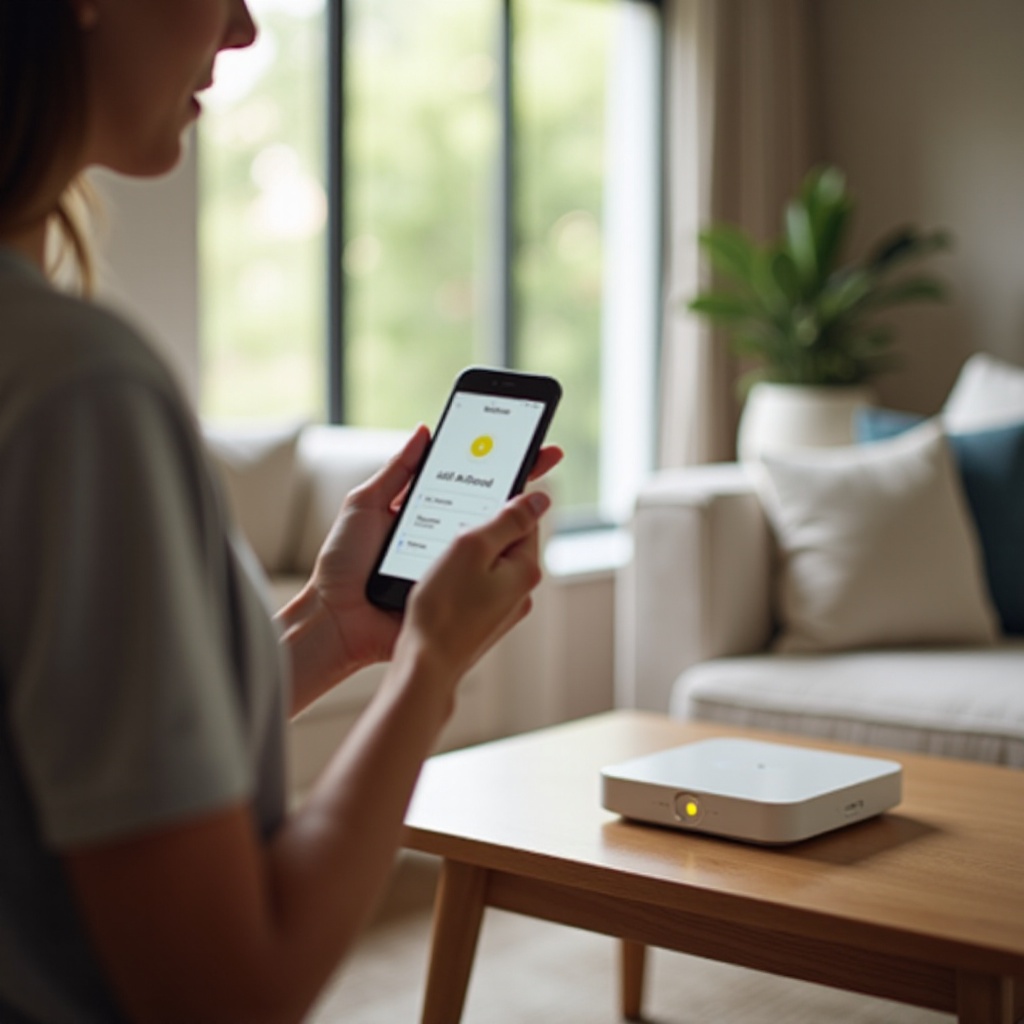
How SimpliSafe Yellow Light Compares to Other Smart Home Systems
Every security platform uses lights differently. Knowing how SimpliSafe stacks up can help you interpret its alerts more confidently and set realistic expectations for how your system communicates.
Indicator Light Designs on Ring, Nest, and Other Security Hubs
Other brands often use:
- Ring Alarm: simple status LEDs on the Base Station and keypad, often focusing on armed, disarmed, and error states.
- Nest and similar systems: subtle lights on hubs and sensors, sometimes closely tied to app notifications rather than always-on lights.
- Other DIY systems: multi-color LEDs that try to show many states through colors and blinking patterns.
SimpliSafe follows a clear, color-based approach similar to these, but with its own patterns and meanings. The yellow light plays a similar role to warning or error indicators on competing systems.
Pros and Cons of SimpliSafe’s LED System for Homeowners
There are clear advantages:
- Easy to see from across the room.
- Simple color meanings: blue, yellow, and red are widely understood.
- Works even if your phone is not nearby or your app is closed.
There are also some drawbacks:
- Some users find yellow versus blue confusing at first glance.
- Light patterns can change slightly with updates, which may cause short-term confusion.
- Without the app, the exact cause of a yellow light is not always obvious.
Using the app alongside the Base Station lights resolves most confusion and gives you both quick visual feedback and detailed explanations.
Why Clear Status Lights Matter in a Connected Home
In a busy smart home, you do not want to open an app for every minor check. Clear status lights:
- Give you instant reassurance that your system is armed or disarmed.
- Warn you quickly if something needs attention.
- Help family members understand the system at a glance, even if they do not use the app.
The SimpliSafe yellow light is part of that communication. When you know what it means and how to respond, you can keep your home secure without constant worry and without overreacting to every small change.
Quick Reference: SimpliSafe Yellow Light Meaning and Actions
With all the detail you have covered, it helps to have a fast mental checklist. When the SimpliSafe yellow light appears, you can use a simple reference to respond calmly and efficiently.
One-look Checklist: What Yellow Usually Indicates
Yellow often points to:
- Network issues with Wi-Fi or cellular.
- Low or failing batteries in sensors or keypads.
- Offline or misaligned sensors.
- System updates or minor software issues.
It rarely means total system failure, but it always deserves a check so you can protect your coverage and avoid blind spots.
Immediate Steps to Take When You See Yellow
Follow this quick sequence:
- Check whether the yellow light is solid or flashing.
- Open the SimpliSafe app and read any alerts or warnings.
- Confirm your internet and router look normal on other devices.
- Check for low battery warnings and replace batteries if needed.
- Restart the Base Station if you cannot see a clear cause.
Most yellow light problems resolve somewhere in these steps. Keeping this process in mind helps you act quickly without feeling overwhelmed.
When It Is Safe to Wait and Observe vs Act Immediately
You can safely wait a short time when:
- The yellow light appears briefly during a known update.
- The app indicates a minor issue that you have already scheduled to fix soon.
- Your core sensors still show as online and responsive.
Act immediately when:
- Multiple sensors show offline at once.
- You rely on professional monitoring and see persistent network issues.
- The yellow light appears along with other strange behavior, such as random alarms or frequent restarts.
If in doubt, act sooner rather than later. Your peace of mind and home security are worth a quick check.
Conclusion
A SimpliSafe yellow light is your system’s way of asking for attention, not a sign of instant failure. Once you understand how SimpliSafe uses colors, you can read that yellow glow as a helpful warning rather than a mystery or a reason to panic.
You learned what solid and flashing yellow lights mean, the most common causes behind them, and a clear step-by-step method to troubleshoot issues. You also saw advanced fixes for stubborn problems and simple habits such as better placement, regular battery changes, and stable Wi-Fi that prevent the yellow light from returning.
Compared with other smart home systems, SimpliSafe offers a straightforward LED design that becomes easy to read once you pair it with the app. With this knowledge, you can keep your SimpliSafe system healthy, reduce false alarms and errors, and stay confident that your smart home security is working the way it should in 2024.
Frequently Asked Questions
Does a SimpliSafe yellow light mean my home is not protected?
Not necessarily. A yellow light usually signals a warning, not complete loss of protection. Your system often still arms, sounds alarms, and monitors most devices. However, one or more parts may not be working perfectly. For example, a sensor might be offline or have a low battery. Always check the SimpliSafe app to see which device or setting caused the warning, then fix it quickly to restore full protection.
Can I turn off or dim the SimpliSafe yellow light at night?
Some SimpliSafe models let you adjust light behavior through the app or keypad settings. You may be able to dim the Base Station light or switch to a more subtle mode, especially at night. Keep in mind that completely disabling status lights can make it harder to notice important warnings. A better approach is to fix the cause of the yellow light so the system returns to its normal, less intrusive state.
Will a SimpliSafe yellow light affect professional monitoring or emergency dispatch?
In most cases, a yellow light does not disable professional monitoring. If your system is armed and connected, the monitoring center can still receive alarms and respond. However, certain yellow light issues, such as a total network outage or multiple offline sensors, can limit how much information they receive. That is why you should always treat a yellow light as a prompt to check the app and fix any underlying problems as soon as possible.