
Modern homes depend on electricity for nearly everything—from refrigeration and connectivity to basic comfort. Even brief outages can create inconvenience, unexpected costs, and safety concerns. Many homeowners assume disruptions are too rare to justify preparation, yet recurring frustrations and small losses often reveal a deeper vulnerability. Recognizing these early signals makes it possible to act before the next emergency hits. This article examines practical warning signs that indicate when investing in backup power becomes a sensible and timely decision.
1. Lights Flicker During Storms
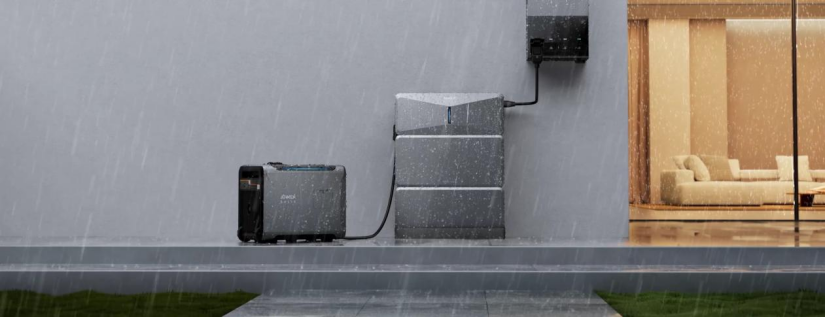
Flickering lights are easy to dismiss as a minor annoyance, yet they often point to underlying instability in the local power supply. Storms, strong winds, or heavy rain can strain electrical infrastructure, leading to brief but repeated voltage fluctuations. These disturbances may not always result in full outages, but they can gradually stress sensitive electronics and appliances. Devices like routers, computers, and modern televisions are particularly vulnerable to inconsistent power conditions. Over time, this instability can shorten equipment lifespan or trigger unexpected shutdowns. Frequent flickering serves as an early and visible reminder that a home’s electrical reliability may not be as solid as it appears.
2. Power Goes Out at Least Once a Year
One Outage Is Worth Preparing For
A single outage each year may seem insignificant, but its consequences often extend beyond the initial inconvenience. Refrigerators begin losing cooling efficiency within hours, and essential lighting quickly becomes limited. Daily routines, including cooking, charging devices, and maintaining indoor comfort, can be disrupted without warning. Even short outages can create stress, especially during extreme temperatures or late-night hours. Preparation measures, including a battery backup for home use, transform such events from crises into manageable interruptions. Consistent readiness reduces uncertainty and protects both comfort and safety.
Multiple Outages Make Backup Essential
Repeated outages change the equation entirely, shifting backup power from optional to necessary. Homes experiencing multiple disruptions annually face compounding risks, including food spoilage, connectivity loss, and interrupted household activities. Frequent power failures also introduce cumulative wear on electronics that repeatedly power down and restart. In such environments, dependable backup systems become critical for maintaining stability. A well-designed solution supports not only lighting but also essential circuits and communication devices. Reliability evolves from a convenience into a practical safeguard for daily living.
3. You’ve Thrown Away Spoiled Food
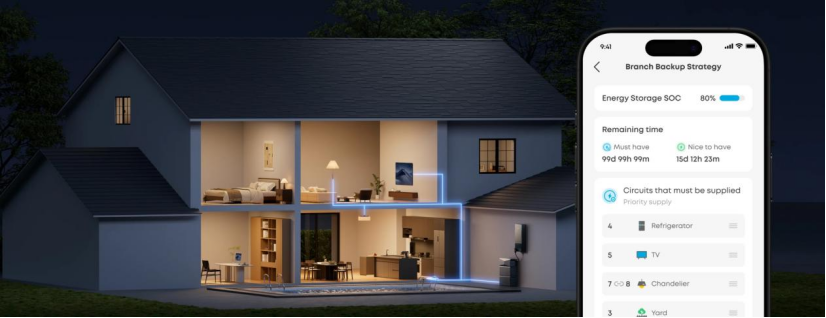
Discarding spoiled food is one of the most common and costly effects of unexpected outages. Refrigeration systems depend entirely on uninterrupted electricity, and even a few hours without power can compromise perishables. Losses accumulate quietly, often going unnoticed until items are opened or odors develop. Beyond financial waste, food shortages create stress and inconvenience, particularly for larger households. Backup power preserves refrigeration, protecting groceries and reducing avoidable expenses. Over time, preventing repeated spoilage can offset a significant portion of a backup system’s value.
4. Someone Uses Electric Medical Devices
Electricity plays a vital role in many health-related devices used within modern homes. Equipment such as CPAP machines, oxygen concentrators, and monitoring systems often operate continuously or overnight. Power interruptions affecting these devices introduce serious discomfort and potential safety concerns. While short outages may be manageable, prolonged disruptions increase risks and anxiety. Backup power provides continuity, ensuring essential medical equipment functions without interruption. For households with medical dependencies, electrical reliability becomes a matter of well-being rather than convenience.
5. You Work from Home
Outages Interrupt Income and Deadlines
Remote work has transformed homes into primary workplaces, increasing dependence on stable electricity. Outages can abruptly halt tasks, delay meetings, and disrupt critical deadlines. Unlike traditional office environments, home-based workspaces often lack built-in redundancy. Even brief interruptions can affect productivity, professional credibility, and income stability. Backup power solutions maintain essential devices, preserving workflow continuity. Consistent electrical access supports both efficiency and peace of mind.
Lost Wi-Fi Means Lost Productivity
Connectivity has become as essential as lighting in many households, particularly those supporting remote work or study. Wi-Fi routers, modems, and network equipment require constant power to function. When outages occur, digital communication, cloud access, and collaborative tools immediately become unavailable. These disruptions often exceed the inconvenience of darkness, affecting schedules and responsibilities. Backup power ensures network equipment remains active, preserving access to information and communication. Maintaining connectivity reduces downtime and stabilizes daily activities.
6. Storms Are Getting Worse Locally
Extreme Weather Events Are Increasing
Many regions now experience more frequent and intense weather patterns that challenge electrical infrastructure. Heavy storms, heat waves, and unexpected temperature shifts increase the likelihood of localized disruptions. These environmental factors can strain grids, damage lines, and extend restoration times. Households observing these changes often notice outages becoming less predictable. Backup power acts as a stabilizing resource under evolving conditions. Planning for variability improves resilience and reduces future uncertainty.
What Was Rare Is Now Regular
Weather-related disruptions once considered unusual are increasingly part of the routine experience in many areas. Extended outages, repeated brownouts, and infrastructure strain no longer occur only in exceptional circumstances. Under these conditions, reliable home backup systems become logical long-term investments. For example, solutions like the Anker SOLIX E10 illustrate how integrated designs can coordinate battery storage and intelligent energy management, helping essential circuits remain powered. Systems offering high output capacity, such as units capable of delivering up to 10 kW for short durations, can support demanding household needs during critical moments. As environmental unpredictability grows, preparedness transitions from precautionary to practical.
Conclusion
Reliable electricity underpins nearly every aspect of modern household life, yet vulnerabilities often remain unnoticed until disruptions occur. Warning signs such as flickering lights, recurring outages, spoiled food, medical dependencies, and connectivity interruptions provide valuable insight into a home’s resilience. Recognizing these patterns enables proactive decisions that reduce inconvenience and potential losses. Backup power solutions offer stability, continuity, and protection for essential systems and routines. As power reliability becomes increasingly variable, preparation emerges as a rational and protective strategy. A home equipped for interruptions is better positioned to maintain comfort, safety, and functionality regardless of external conditions.