
Introduction
A cracked LED TV screen is often a homeowner’s nightmare, causing a mix of frustration and challenge. One momentary accident or unexpected pressure can lead to visible damage, and it’s crucial to know the best steps forward. This guide will illuminate the signs of damage, delve into repair vs. replacement considerations, and offer strategies to prevent future issues.
Identifying a Cracked LED TV Screen
Recognizing whether your screen has suffered a crack or if there’s an underlying issue is essential for determining the right action.
-
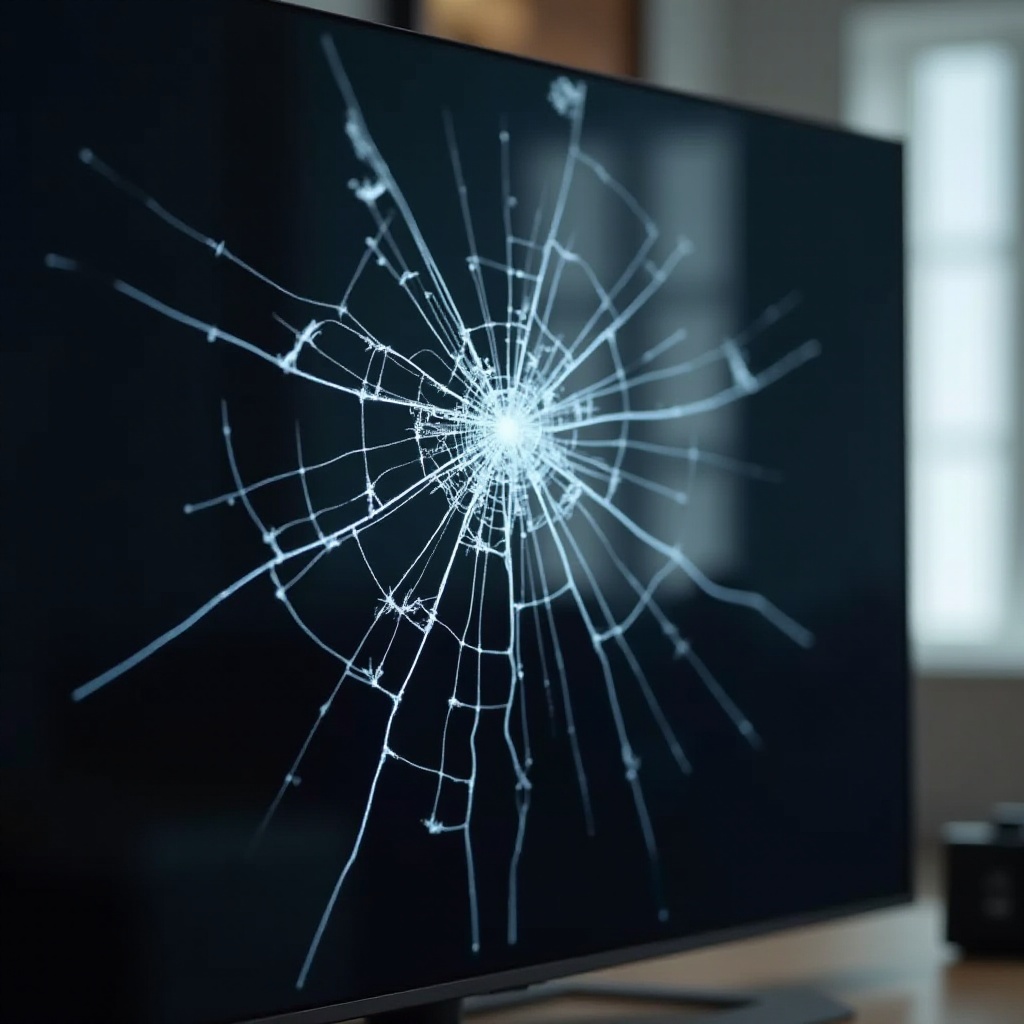
Physical Signs of Screen Damage: Check for visible cracks, lines, blemishes, or discoloration. Often, a crack will appear as a series of jagged lines across the screen, resembling a spiderweb.
-
Differentiating Surface Cracks from Internal Issues: Sometimes, what appears as a surface crack could actually be an internal problem. Flickering, distorted images, or unresponsive areas without obvious cracks may suggest internal damage.
Identifying the type of damage can guide your decision-making on whether repair or replacement is necessary.
Common Causes of LED TV Screen Cracks
Knowing what causes screen damage can help avoid similar issues in the future.
-
Impact and Pressure Accidents: The most common cause of screen cracks is accidental impact from objects or falls. Pressure from furniture or mishandling during movement can also lead to damage.
-
Environmental and Temperature Factors: Drastic changes in temperature or humidity can cause stress fractures in screens. Keeping your TV at a stable temperature can help prevent such issues.
Understanding these causes enables better management of your screen’s care, setting up for informed repair or replacement decisions.
Immediate Steps After Discovering a Crack
Immediate reaction to a screen crack can prevent further damage and save money.
-
Precautions to Prevent Further Damage: Instantly turn off the TV and disconnect all cables. Move the TV to a location where it’ll be safe from further bumps or pressure.
-
Assessing the Initial Damage: Carefully inspect the screen for the extent of the damage. Avoid touching the screen directly, and take note of any sound or display issues that have developed.
These steps will protect your screen from worsening damage, giving you the time to evaluate your repair options.
Repairing vs. Replacing Your LED TV
To repair or replace your cracked screen is a significant decision filled with cost considerations.
-
Cost Analysis of Repair vs. Replacement: Begin by determining the cost from a professional assessment. Minor repairs can often be reasonable, but major cracks might approach or exceed the cost of a new TV.
-
When to Consider Repair Over Replacement: If your TV is under warranty or relatively new, a repair might be the best avenue. Compare the repair cost with the TV’s depreciated value to decide.
This evaluation provides a thoughtful approach to optimizing your resource investment.
DIY Fixes for Minor Screen Damage
Some minor damage might be fixable at home, but should be approached cautiously.
-
Tools Required for Basic Repairs: A microfiber cloth, special screen adhesives, or a screen repair kit might assist in making minor fixes possible.
-
Risks and Considerations of DIY Repairs: DIY efforts carry risks like voiding warranties or worsening the damage. Pursue only if you’re confident in your skills and the repairs are minor.
DIY approaches can be cost-effective but require a delicate hand and awareness of the potential drawbacks.
Professional Repair Services: What to Expect
Beyond DIY, professional servicing offers expertise and assurance.
-
Finding a Reliable Technician: Seek out well-reviewed professionals specializing in LED TVs. Certification and experience are crucial.
-
Important Questions to Ask Your Repair Service: Understand the process by asking about costs, expected timelines, repair part warranties, and the quality of parts used.
Professional services can substantially restore your device and offer peace of mind despite higher initial costs.
Protecting Your TV from Future Damage
Once resolved, prevention is your next step in avoiding future screen troubles.
-
Using Protective Accessories: Invest in screen protectors, durable wall mounts, and sturdy cabinets to prevent mishaps.
-
Maintenance Tips to Extend TV Lifespan: Regular cleaning without harsh chemicals, keeping the TV at stable temperatures, and careful handling will ensure your TV’s longevity.
These strategies are worthwhile investments that protect your TV, minimizing future repair needs and prolonging its life.
Conclusion
Handling a cracked LED TV screen involves a balanced approach between understanding the damage, choosing a resolution method, and instituting preventative care. Whether repairing or replacing, each step is manageable with the right information and preparation. Ultimately, keeping your LED TV protected saves time, money, and energy.
Frequently Asked Questions
Can a cracked LED TV screen be repaired?
Yes, if the damage is minor. Major cracks often require the screen to be replaced.
How much does it typically cost to repair a cracked LED screen?
Repair costs vary widely depending on the damage but can range from $100 to several hundred dollars.
Is it worth repairing a cracked TV screen, or should I replace it?
If repair costs are more than half the price of a new TV, or the TV is older, replacement might be more economical.