
Many people wonder if a solar generator can power the entire house during an outage. The answer is determined by the amount of energy used, the number of appliances, and the size of the system. Some families just need to power basic appliances like refrigerators and lights. Others want to run air conditioners, electric stoves, and water heaters. A solar generator stores power in batteries and provides it via an inverter, although capacity is limited. Before purchasing a system, you should evaluate your home’s usage and peak loads. This document outlines the power needs, device size, and reasonable expectations for whole-home backup systems.

How Much Power Does Your Entire Home Actually Use?
Calculate Your Home’s Daily Energy Consumption (kWh)
Examine your power bill to determine your monthly kilowatt-hour use. The daily consumption may be estimated by dividing that figure by thirty. The majority of American homes use 20 to 30 kWh a day, though actual usage varies greatly. Compute the daily watt-hour consumption of the primary appliances on the list for more accuracy. Multiply each device’s operating hours by its wattage. To calculate the daily energy requirements, add the totals. This figure shows how much battery storage you would need to run your whole house off the grid for a day.
Identify High-Wattage Appliances and Peak Loads
Some appliances use a lot more energy than others. Ovens, dryers, electric water heaters, and air conditioners can consume thousands of watts. Compared to tiny electronics, these high-wattage devices have a greater influence on system size. Which appliances you intend to use in the event of an outage must be determined. The needed inverter output is significantly increased when all appliances are operated simultaneously. When several big devices are operating at the same time, peak loads arise. Your system will shut down if it is unable to handle these peaks. Establishing reasonable goals for whole-home or partial-home backup is made easier when you know which appliances generate the most demand.
Understand Running Watts vs Surge Watts
Running watts are the amount of continuous electricity used by an appliance during regular operation. Surge watts describe the transient increase in power required when a motor or compressor begins. Refrigerators, air conditioners, and pumps sometimes require two to three times their normal wattage to start. If your solar generator cannot withstand these surges, it may overheat. Before deciding on a system, always compare both ratings. The inverter must give enough continuous power for long-term use as well as enough surge capacity during starting. Incorporating both values provides steady operation and eliminates unexpected shutdowns at vital points.
What Size Solar Generator Do You Need to Power a Whole House?
Battery Capacity (Wh/kWh) and Backup Duration
How long your house can run without grid electricity depends on the solar power generator’s battery capacity. Capacity is measured by manufacturers in watt-hours or kilowatt-hours. You would need at least that much stored energy for a full day of backup if your home uses 25 kWh each day. Larger batteries in solar power generators extend runtime but increase cost and weight. Instead of full-day autonomy, many homeowners opt for partial-day coverage. Calculating desired backup duration helps you match battery capacity in solar power generators to realistic expectations and budget limits.
Inverter Output and 240V Appliance Support
A powerful inverter is required to provide whole-house electricity. Many major equipment, such as central air conditioners and electric dryers, run on 240 volts. Not all solar generators provide 240V output. If you wish to use these appliances, use a system that is intended for split-phase electricity. Continuous output must surpass your maximum combined load. The surge rating must also tolerate starting surges. Without appropriate inverter capacity, the system cannot dependably power heavy equipment. Before making a purchase, confirm the voltage compatibility and output restrictions. Proper inverter sizing decides whether whole-home coverage is theoretically feasible.
Solar Panel Array Size and Recharge Time
The time it takes to recharge depends on the capacity of the solar panels and the availability of sunshine. If you utilise 20 kWh per day, your solar array must provide at least that amount of electricity to adequately recharge your batteries. To determine the needed panel wattage, divide daily energy usage by the average peak solar hours. For example, 20 kWh divided by five sun hours yields approximately 4 kW of solar input. Cloud cover and seasonal fluctuation influence production. Larger arrays minimise recharging time and increase dependability. Without adequate panel capacity, battery reserves may not recover quickly enough during prolonged outages.
Whole-Home Backup vs Essential Circuits: What’s Realistic?
Powering Essential Loads During Outages
Many homes find it more feasible to power important circuits rather than run everything. Refrigeration, lights, internet access, medical gadgets, and restricted outlets are all common essential loads. Isolating these circuits reduces total energy usage dramatically. Smaller battery banks and inverters can then provide extended runtime. This tailored strategy increases efficiency and affordability. Instead of oversizing the system to accommodate unusual peak demand, you prioritise safety and comfort. Most households find that essential-load backup provides adequate safety without incurring the exorbitant costs of full-house coverage.
Expandable Systems and Home Integration Options
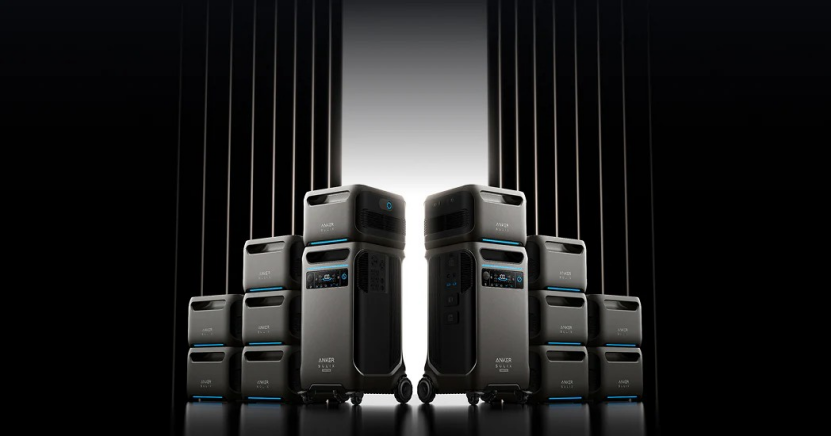
Some solar generating systems have extensible battery modules. Expansion allows you to add storage space as your demands expand. Transfer switches and smart panels are examples of home integration alternatives that make it easier to connect to domestic circuits. These features provide greater flexibility and control. You may begin with basic circuits and gradually expand your coverage. Integration also improves safety by handling load distribution automatically. When comparing systems, think about scalability and compatibility with your home’s electrical panel. Expandable designs offer long-term benefits and versatility.
Solar Generator vs Traditional Standby Generator
Traditional standby generators use natural gas or propane and can power entire homes constantly. They provide high output but require fuel supply and professional installation. Solar generators run silently and use renewable energy, but their capacity is dependent on battery storage. Standby systems can manage heavier loads more readily, whilst solar units provide cleaner operation and require less maintenance. Your option is determined by your budget, energy objectives, and desired amount of coverage. Each system has advantages and disadvantages for whole-home backup.
Conclusion
A solar generator can power a whole house, but only with enough battery capacity, inverter power, and solar input. Most homes choose to support vital circuits over all appliances. Before investing, it is vital to perform accurate energy estimates and set realistic expectations. Understanding daily consumption, peak loads, and recharge requirements will help you determine whether whole-home solar backup is right for you. For many houses, a properly sized system provides steady, clean power during outages without the complexities of typical fuel generators.